
Any other questions? Get in touch
Does feeding street cats lead to more cats?
That’s why, at RACA, we do more than feed them: we work to neuter, identify, monitor, and care for the cats in our colonies.
A well-managed colony means caring for the cats who are already there and preventing more kittens from being born on the streets.
Why don’t you stop feeding the cats so they leave?
They may move elsewhere in search of food, rummage through rubbish, or approach other residential areas. Many have also lived in the same territory for years.
The solution is responsible colony management through neutering, health monitoring, and controlled feeding.
What is TNR?
This approach prevents breeding and gradually reduces colony populations. At RACA, we combine TNR with health monitoring and the rescue of cats who need special care.
Why do you return cats to the streets after neutering them?
When they are healthy and their surroundings are safe, returning to their colony is often the best option.
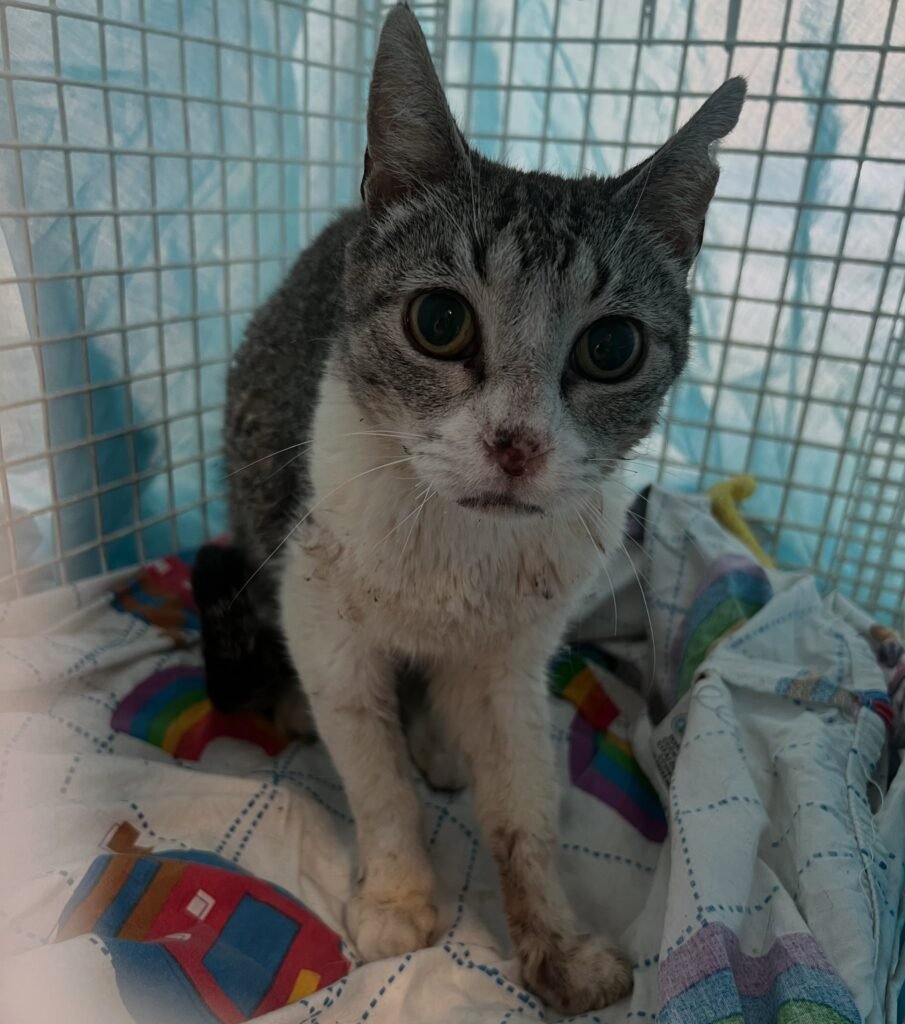
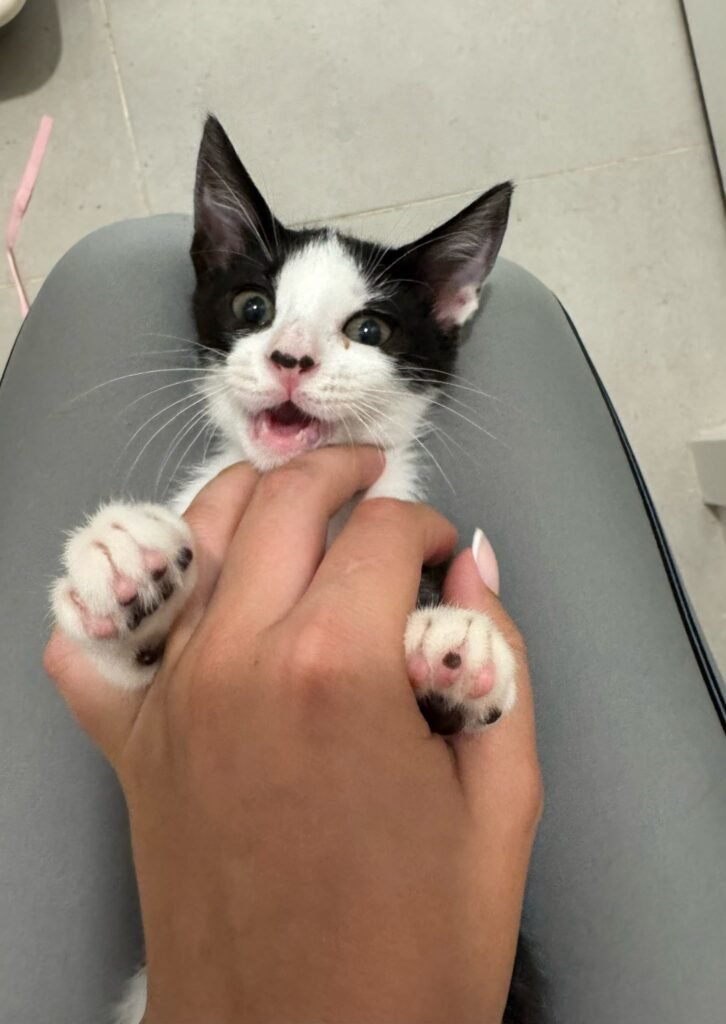
However, when we find friendly, abandoned, or sick cats, or cats who cannot safely return, we consider alternatives such as fostering or adoption.
Why don’t you take all the cats to a shelter?
Not all community cats can adapt to living in a home, and shelters have limited space.
Unfortunately, RACA does not yet have its own shelter. We rely on foster homes and volunteers who temporarily offer a safe place for rescued cats.
Can community cats spread diseases?
Like any animal, cats can develop certain illnesses. This does not mean that cat colonies automatically pose a danger to people.
Neutering, veterinary monitoring, clean feeding stations, and regular checks help reduce health risks. A managed colony is preferable to a cat population with no supervision or care.
Why do some cats have a clipped ear?
An ear tip is a common sign that a cat has been neutered through TNR. A small part of the tip of one ear is removed during the procedure, while the cat is under anaesthetic.
This allows neutered cats to be recognised from a distance, avoiding unnecessary trapping and anaesthesia.
Do cat colonies attract rats or create mess?
Poorly managed feeding can attract opportunistic animals and cause hygiene problems. That’s why responsible carers, suitable feeding stations, and regular cleaning are essential.
At RACA, we work hard to keep our colonies clean and well cared for. However, people outside the association often leave food scraps, leftovers, or unsuitable food where the cats live. We also frequently find rubbish and waste left by other people.
Unfortunately, we are often blamed for situations we haven’t caused.
Caring for a colony means looking after the surroundings too. Responsible management supports the cats’ wellbeing, keeps the area clean, and helps everyone share the space peacefully. ♡
Why keep caring for cats who will never be adopted?
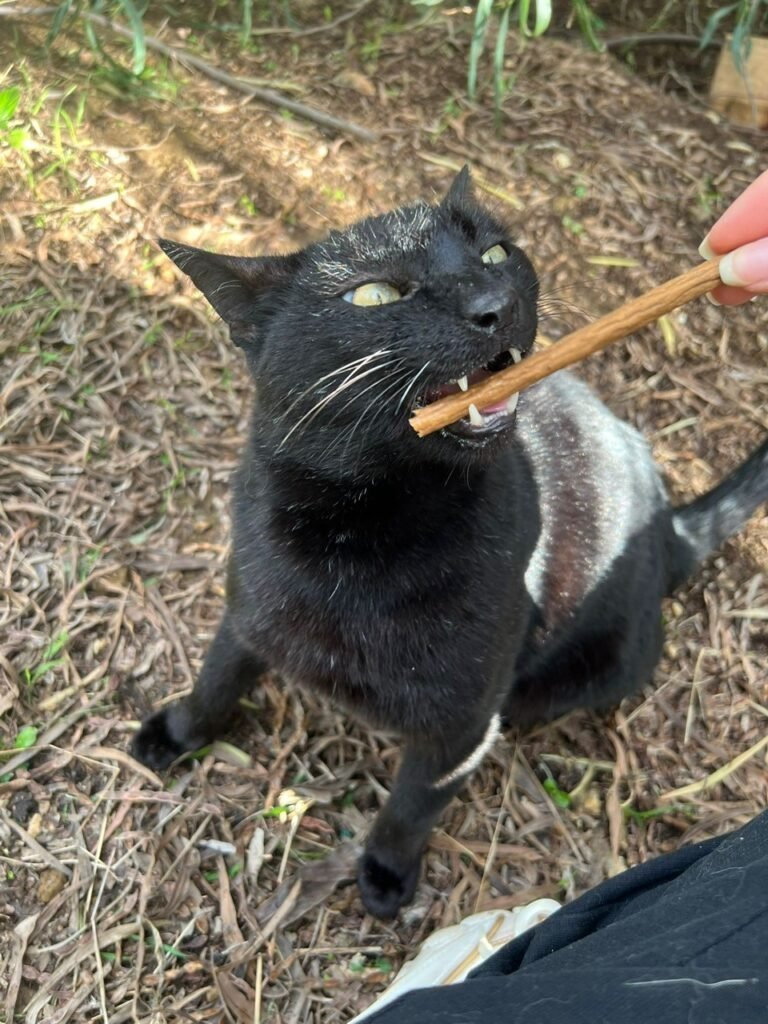
Because every cat deserves a decent life, whether or not they can live in a home. Many of our cats have lived in their colonies for years. We know them, their routines, who is more sociable, and who needs extra care.
To us, they aren’t simply street cats. They’re Stumpy, Tyson, Tobey, Garfield, Doris, and many others who wait for our visits every day. They may never have a sofa, but they do have people who care about them. ♡